Naturalistic connectivity & autism
Movie watching and eye tracking reveal how brain networks develop and how they differ across individuals with autism and ADHD.
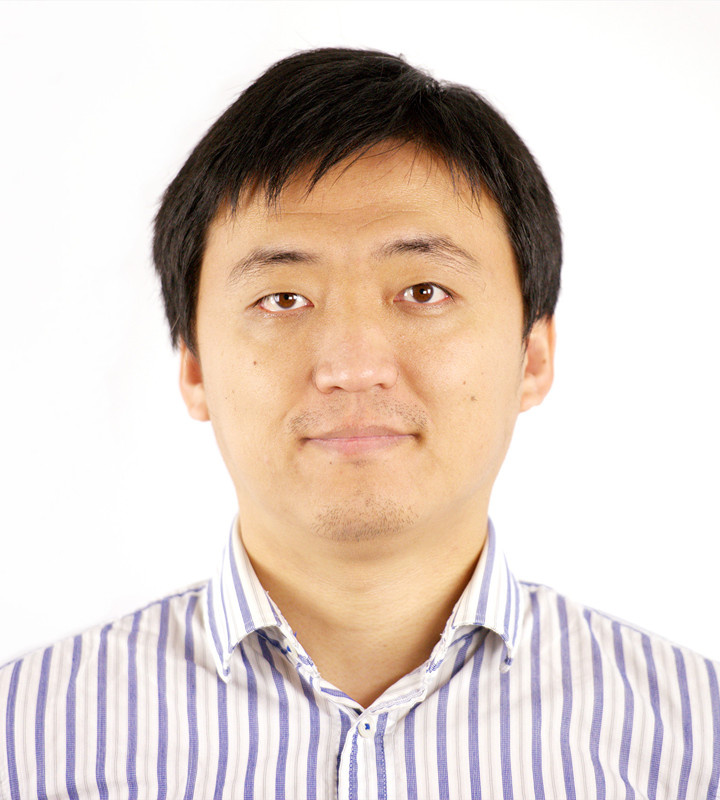
Research Assistant Professor · Department of Biomedical Engineering · New Jersey Institute of Technology
I study how the brain works as a network: how regions interact during movies and tasks, across development, and in autism. My work combines fMRI, eye tracking and PET, and develops open methods for measuring connectivity reliably.
Pronounced “Seen Dee” · 邸新
Movie watching and eye tracking reveal how brain networks develop and how they differ across individuals with autism and ADHD.
Task-based connectivity (PPI, beta series), flexible hemodynamic modeling, and open preprocessing and quality-control protocols.
PET-based connectivity of glucose metabolism and neurotransmission, and shared data standards for molecular imaging.
Establishing a Standardized Data Access Protocol (SDAP) to resolve data fragmentation in the US molecular imaging ecosystem.
Validating deep neural network models that extract eye-gaze information directly from fMRI data, then testing how gaze and brain activity differ in autism spectrum disorder.
Undergraduate research opportunities are available. Get in touch if you're interested.
An international initiative evaluating molecular imaging, such as PET, for studying brain connectivity. I chair its Outreach Council and organize the Molecular Connectivity Online Series (MCOS), a free monthly seminar series.